
Work with WLIL
Personal Assistant work: varied, skilled and people-centred.
PA work can range from practical everyday support to services involving complex or changing needs. It can be rewarding and challenging, and it calls for respect, reliability, adaptability and a willingness to learn.

What does a PA do?
No two services are exactly the same.
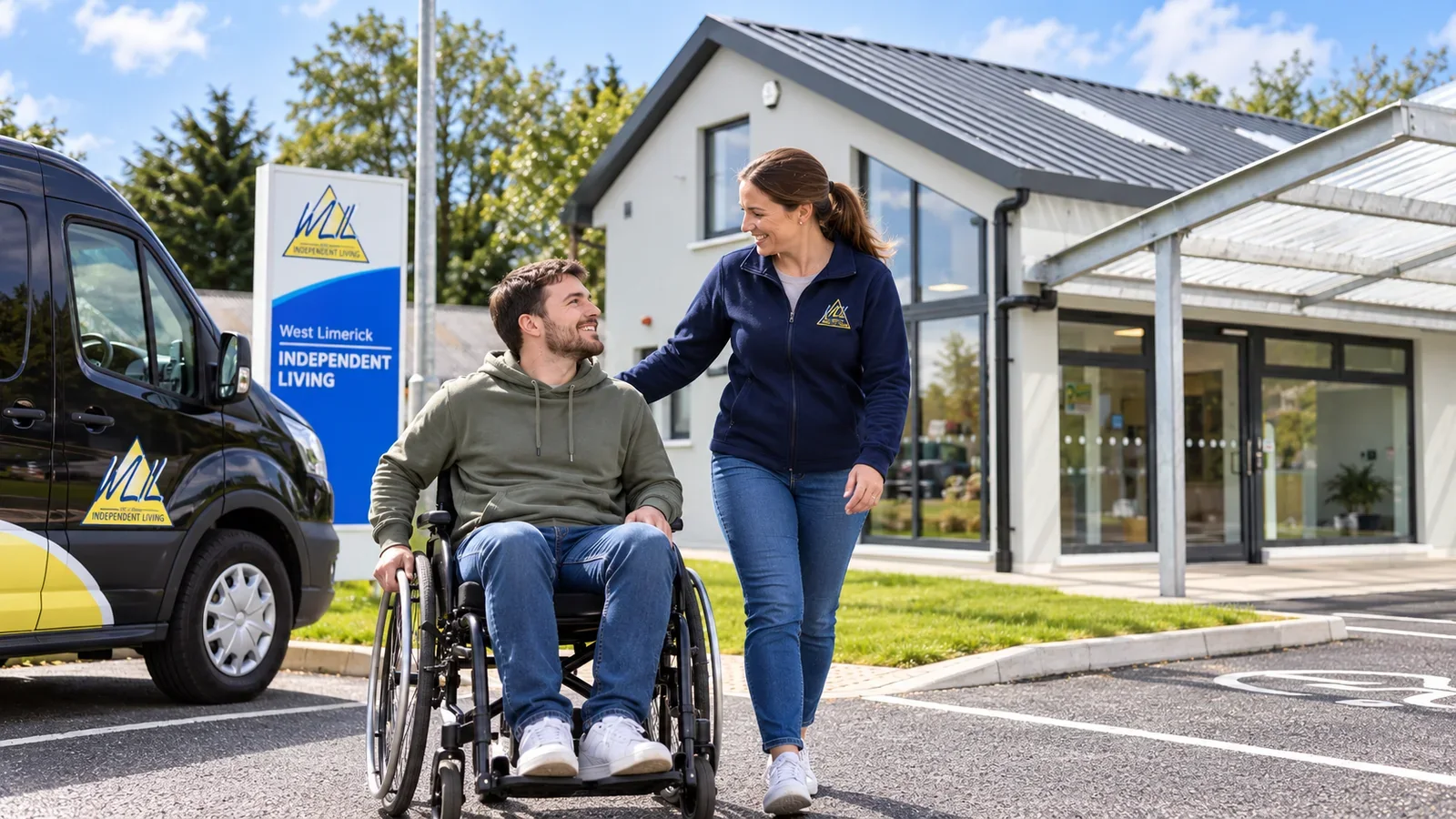
Some services involve relatively straightforward support such as shopping, household tasks, meal preparation, appointments, social activities and community participation. Other services may involve more complex or changing needs, including supporting people living with progressive conditions such as multiple sclerosis or motor neurone disease.
As a person's needs change, the PA role may also develop. Personal Assistants therefore need to be adaptable, willing to learn and comfortable developing new skills. Appropriate support, guidance and training are provided or arranged where required for the service.
At its heart, the role is about supporting the individual to maintain choice, independence and control over daily life.
Current PA pay rates
Rates effective from 1 September 2026
Actual work patterns depend on the service and roster. Rates shown are the current WLIL PA hourly rates provided for this website.
Qualifications & training
Training needs depend on the service.
For some positions, applicants may be required to already hold relevant QQI Level 5 qualifications or modules (formerly FETAC Level 5), such as Care Skills, or other appropriate care-related training. The exact requirements are discussed during recruitment and depend on the position.
WLIL does not deliver all training directly. Training may be arranged through external accredited providers, while specialist training can be sourced where a particular service requires additional skills.
PA frequently asked questions
1What qualities make a good PA?
Good communication, reliability, honesty, adaptability and respect are essential. A good PA listens carefully, follows agreed plans and respects the service user's choices, routines and preferred way of doing things.
2Do I need previous experience?
Relevant experience can be valuable, particularly for services involving complex needs, but attitude, reliability and willingness to learn are also important. Some positions require specific qualifications or prior skills.
3What hours are available?
Hours vary significantly depending on service-user needs. Work can include mornings, daytime, evenings, weekends, nights and shorter blocks of support. Many roles are part-time and specific availability may be important when matching staff to a service.
4Can the role change over time?
Yes. Some services remain stable while others change as a person's health or circumstances change. Progressive illnesses can require PAs to develop new skills, undertake additional training and adapt how support is provided.
5Why work as a PA?
PA work can offer flexible employment, one-to-one support, meaningful relationships, personal development and the satisfaction of making practical independent living possible. It can also be demanding, so reliability and realistic expectations are important.
6How do I apply?
Use the WLIL online Personal Assistant application form. If you want to ask a question before applying, call 069 77320 during office hours or email info@limerickcil.com.